Sow & Germinate
Sow indoors on a warm, light windowsill, as seed needs warmth and light to germinate well.

A classic salad and soup stalwart, needing rich, moisture-retentive soil and consistent watering to avoid stringy, bitter stems.
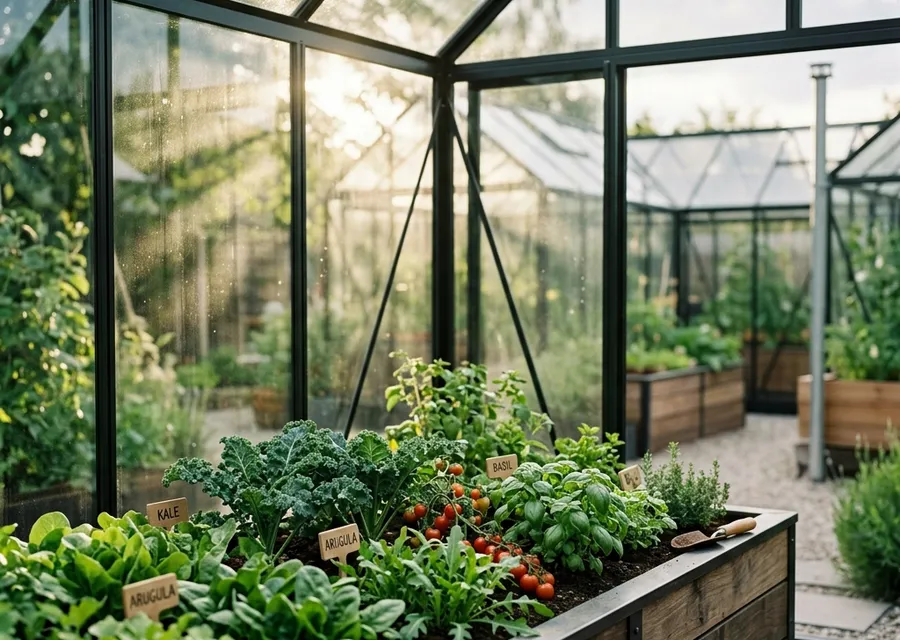
Germinates in roughly 18 days at suitable soil warmth.
Grows best in full sun / partial shade with fertile, well-draining compost or soil.
Requires high moisture; avoid drying out at the root.
Expect your first pickings around 120 days after planting.
Sow indoors on a warm, light windowsill, as seed needs warmth and light to germinate well.
Harden off and plant out about 25cm apart into rich, moisture-retentive soil.
Feed regularly and water generously, as any dry spell leads to stringy, bitter stems.
Cut whole plants at the base once stems are a good size, or harvest a few outer stems at a time.
Celery is said to help deter cabbage white butterfly from nearby brassicas
Celery is said to help deter cabbage white butterfly from nearby brassicas
Alliums and umbellifers make undemanding neighbours for one another
Alliums and umbellifers make undemanding neighbours for one another
Beans fix nitrogen that benefits this thirsty, hungry crop
Both enjoy similarly moist, rich soil and can be grown side by side
Celery is a traditional greenhouse companion for tomatoes, sharing similar growing conditions
Regular feeding supports crisp, well-flavoured stems
Protects young celery plants from slug damage
Sow Celery indoors from March to April, as seed needs warmth and light to germinate well.
This is usually down to inconsistent watering; celery needs constantly moist, rich soil to produce crisp, tender stems.
Traditional trench varieties benefit from blanching to reduce bitterness, but self-blanching varieties are bred to stay pale and mild without the extra effort.
Yes, in large, deep containers kept consistently moist, ideally in a spot with some afternoon shade.