Sow & Germinate
Sow indoors or in modules, ready to plant out once seedlings are large enough to handle.

One of the toughest and most forgiving brassicas, standing strong through frost and snow. A little frost even improves the flavour, making it a reliable source of greens deep into winter.
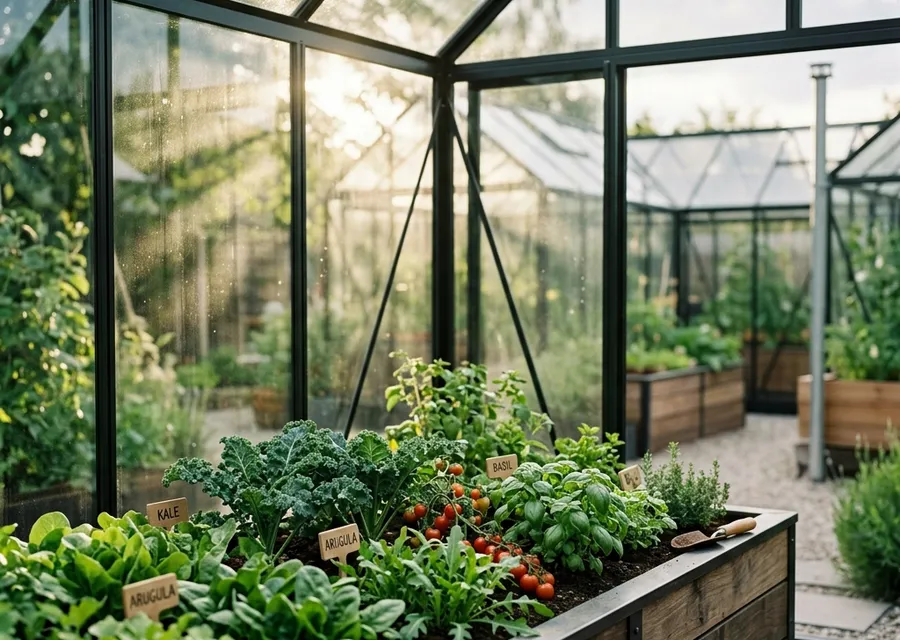
Germinates in roughly 10 days at suitable soil warmth.
Grows best in full sun / partial shade with fertile, well-draining compost or soil.
Requires moderate moisture; avoid drying out at the root.
Expect your first pickings around 70 days after planting.
Sow indoors or in modules, ready to plant out once seedlings are large enough to handle.
Plant out firmly, about 45cm apart, watering in well.
Kale is fully hardy and can be picked right through winter, with flavour improving after frost.
Pick a few leaves from each plant as needed, allowing the centre to keep growing.
Alliums help mask the scent of brassicas from cabbage root fly and other pests
Beetroot fills gaps between plants without competing for the same nutrients
Peas fix nitrogen in the soil, which benefits hungry brassicas
Lettuce grows quickly in the gaps while kale plants are still small
Leeks help deter some brassica pests without competing for nutrients
Both are heavy feeders that compete strongly for nutrients and space
Nightshades and brassicas compete heavily for nutrients, which can stunt growth on both sides
Both are brassicas and can be grown, netted and fed together
Both are brassicas and can be grown, netted and fed together
Both are hardy winter brassicas that can be netted and fed together
Keeps cabbage white butterflies, pigeons and flea beetle off developing plants
Occasional feeding supports strong, continuous leaf growth
Sow Kale from March to June, either direct outdoors or in modules for transplanting later.
Yes, cover plants with fine mesh to keep off cabbage white butterflies, pigeons and flea beetle.
Yes, Kale grows well in large pots and is one of the more forgiving brassicas for container growing.
Yes, a touch of frost sweetens Kale's leaves and reduces bitterness, making late-season and winter harvests especially good.