Climate Snapshot
Bristol enjoys a mild maritime South West microclimate with earlier spring soil warming and roughly 240 frost-free days in sheltered city spots.

Tailored sowing, planting, and harvest dates for Bristol (South West, UK hardiness 9a-9b). Bristol enjoys a mild maritime South West microclimate with earlier spring soil warming and roughly 240 frost-free days in sheltered city spots.
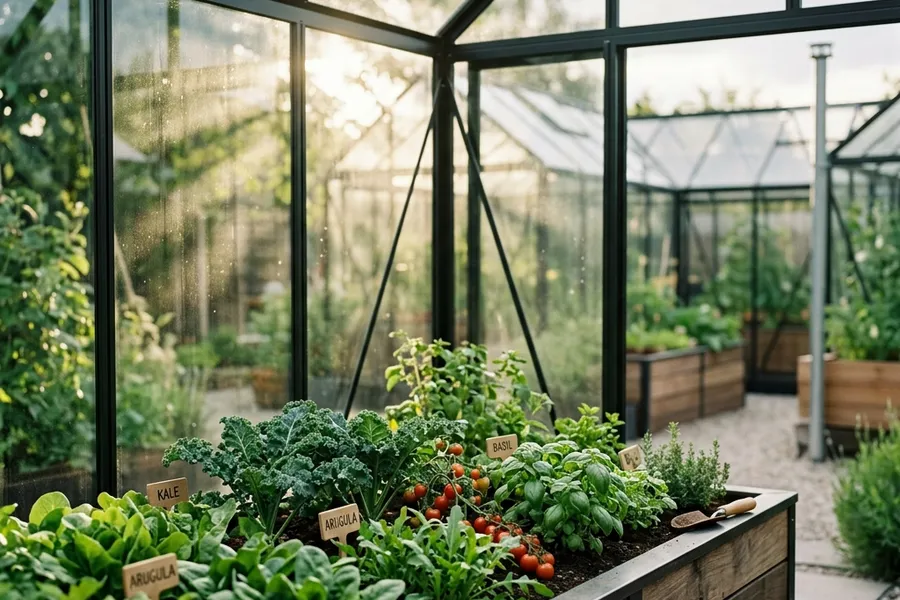
Bristol enjoys a mild maritime South West microclimate with earlier spring soil warming and roughly 240 frost-free days in sheltered city spots.
Terraced gardens and hillside plots often face brisk Atlantic gusts—stake tall runner beans and tomatoes securely.
Local clay-heavy allotment beds benefit from an autumn mulch of leaf mould or garden compost; containers drain cleanly with grit.
Every calendar below uses South West regional sowing & harvest dates.
A tough, early-cropping legume that can be sown in autumn for a head start on the season. Hardy and reliable, needing little beyond support and the occasional pinch out to deter blackfly.
A prolific, fast-growing summer crop. A single plant can crop heavily for months if fruit is picked regularly while still young.
A fast, sun-loving climber that crops heavily in a warm greenhouse or against a sheltered sunny wall. Needs consistent warmth, humidity and watering to avoid bitter fruit.
A tender, productive crop available in dwarf and climbing forms. Regular picking while pods are young keeps plants cropping for weeks.
A dramatic, architectural perennial grown for its edible flower buds. Needs space and a sheltered spot, cropping best from its second year onwards.
A hardy, early-cropping legume best picked young and sweet. Climbing varieties need support; dwarf varieties suit containers.
A vigorous, sprawling crop grown for its large, sweet-fleshed fruit. Needs plenty of room, warmth and rich soil, rewarding patience with fruit ready just in time for autumn.
A vigorous, heavy-cropping climber with bright flowers that pollinators love. Needs sturdy support and consistent watering, but rewards with a long summer of tender pods.
A productive, long-storing crop covering everything from compact bush varieties to sprawling trailing types. Loves warmth and rich soil, and keeps for months once properly cured.
In Bristol (South West, UK hardiness 9a-9b), average last spring frost arrives around 1 April. Hardy pollinator friendly plants can often be sown outdoors from March or April, while frost-tender crops should stay undercover until after 1 April.
Average first autumn frost in the South West region arrives around 30 November. Harvest tender crops before then, or protect late sowings with fleece and cloches.
Terraced gardens and hillside plots often face brisk Atlantic gusts—stake tall runner beans and tomatoes securely. Local clay-heavy allotment beds benefit from an autumn mulch of leaf mould or garden compost; containers drain cleanly with grit.