Climate Snapshot
Cool North Sea breezes keep spring soil temperatures lower in Tyne and Wear, making May frost protection essential for tender seedlings.

Tailored sowing, planting, and harvest dates for Newcastle (North East, UK hardiness 8a). Cool North Sea breezes keep spring soil temperatures lower in Tyne and Wear, making May frost protection essential for tender seedlings.
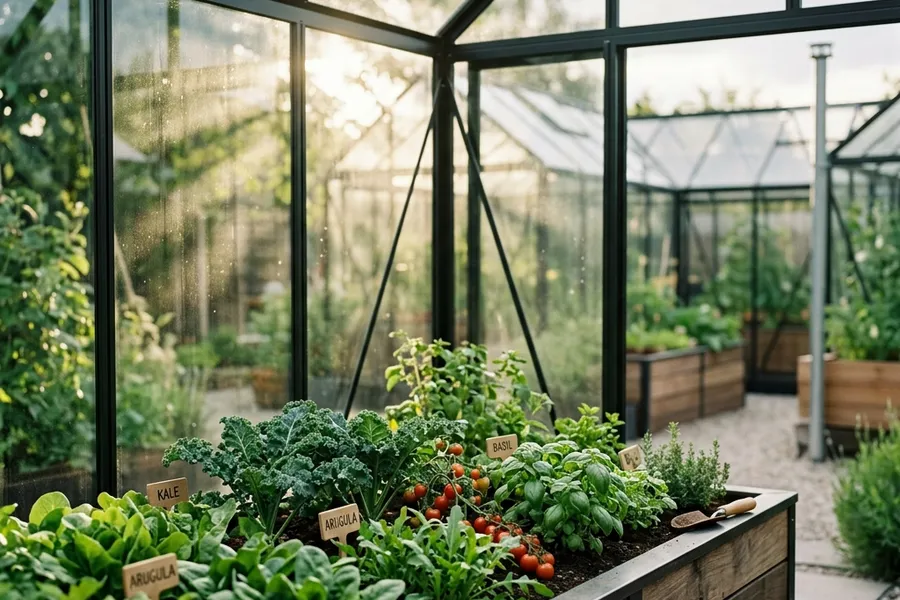
Cool North Sea breezes keep spring soil temperatures lower in Tyne and Wear, making May frost protection essential for tender seedlings.
Lean into cool-season UK stars like kale, broad beans, peas, and leeks, and grow tomatoes under glass.
Warm up seedbeds with black fleece or cloches two weeks before direct sowing carrots and beetroot.
Every calendar below uses North East regional sowing & harvest dates.
A fast, reliable root crop that also produces edible leaves. Best pulled at golf-ball to tennis-ball size for the sweetest flavour.
A tough, early-cropping legume that can be sown in autumn for a head start on the season. Hardy and reliable, needing little beyond support and the occasional pinch out to deter blackfly.
Grown for its tight central head, with smaller side shoots following for several more weeks. Best sown into modules to minimise root disturbance.
A versatile brassica with summer, autumn and winter varieties, giving a harvest across most of the year. Needs netting against caterpillars and pigeons.
A staple root vegetable that prefers deep, stone-free soil. Dislikes root disturbance, so is always sown direct rather than transplanted.
A colourful, reliable leafy crop and close relative of beetroot, valued for its glossy leaves and vivid stems. Far more heat- and drought-tolerant than spinach, and much slower to bolt.
A tender, productive crop available in dwarf and climbing forms. Regular picking while pods are young keeps plants cropping for weeks.
An essential kitchen crop grown from individual cloves planted in autumn or early spring. Needs a cold spell to divide into plump, high-flavour bulbs for summer harvesting.
One of the toughest and most forgiving brassicas, standing strong through frost and snow. A little frost even improves the flavour, making it a reliable source of greens deep into winter.
An unusual, fast-maturing brassica grown for its swollen, crisp stem rather than its leaves or roots. Quick and easy, doing well where other brassicas might struggle.
A hardy, peppery salad leaf often grown as a watercress substitute for gardeners without a boggy spot. Stands well through winter, providing fresh leaves when little else is cropping.
A long-season, very hardy crop that can stay in the ground through winter and be lifted as needed. Puddling in transplants (rather than firming with soil) helps blanch the stem.
Quick-growing salad leaves that are excellent for beginners. Prefers cooler conditions and moist soil.
Grown from small bulbs called sets rather than seed, making it a reliable, low-maintenance crop. Autumn-planted sets overwinter for an earlier summer harvest.
A quick-growing Asian green valued for its crisp stems and glossy leaves, equally at home stir-fried or eaten raw. Best grown fast to avoid premature bolting.
A hardy, early-cropping legume best picked young and sweet. Climbing varieties need support; dwarf varieties suit containers.
Grown from seed potatoes rather than seed, and one of the easiest crops for beginners. Early, second early and maincrop varieties spread the harvest from early summer into autumn.
The fastest crop in the vegetable garden, ready to pull within a month of sowing. Perfect for impatient gardeners and for filling gaps between slower-growing crops.
A peppery salad leaf that grows fast enough to pick within a month of sowing. Best in cooler conditions, as heat makes the leaves increasingly hot and prone to bolting.
A milder, sweeter relative of the onion, grown from sets that each divide into a cluster of bulbs. Reliable and easy, needing much the same care as onions.
A fast, nutritious leafy crop best grown in cool conditions. Quick to bolt in summer heat, but hardy varieties sown in late summer provide fresh leaves right through winter.
A quick, mild-flavoured salad onion pulled young before the bulb swells. Undemanding and fast enough to slot into any gap in the vegetable garden.
A hardy, sweet-fleshed root known in Scotland as 'neeps', traditionally served with haggis. Needs a long, unhurried season but otherwise asks very little of the gardener.
A quick-maturing root crop, much faster than swede and milder in flavour. Young roots are especially tender, and the leafy tops are edible too.
In Newcastle (North East, UK hardiness 8a), average last spring frost arrives around 5 May. Hardy beginner plants can often be sown outdoors from March or April, while frost-tender crops should stay undercover until after 5 May.
Average first autumn frost in the North East region arrives around 25 October. Harvest tender crops before then, or protect late sowings with fleece and cloches.
Lean into cool-season UK stars like kale, broad beans, peas, and leeks, and grow tomatoes under glass. Warm up seedbeds with black fleece or cloches two weeks before direct sowing carrots and beetroot.