Climate Snapshot
Elevated at ~140m in the Midlands, Birmingham sees crisp winter frosts and occasional late April cold snaps before warm summer spells.

Tailored sowing, planting, and harvest dates for Birmingham (Midlands, UK hardiness 8b). Elevated at ~140m in the Midlands, Birmingham sees crisp winter frosts and occasional late April cold snaps before warm summer spells.
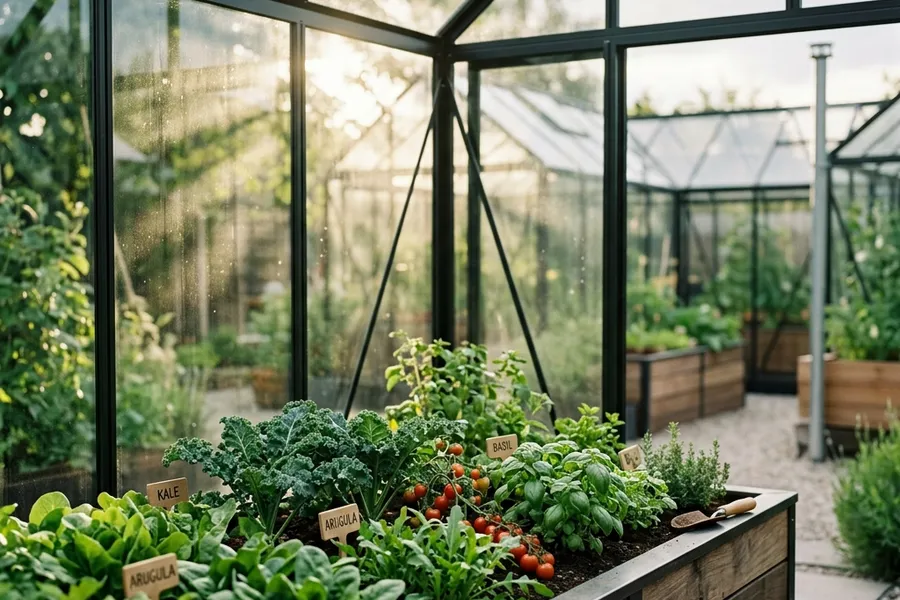
Elevated at ~140m in the Midlands, Birmingham sees crisp winter frosts and occasional late April cold snaps before warm summer spells.
Cloches or fleece let you transplant tender crops two weeks earlier on exposed West Midlands allotment plots.
Enrich sandy-loam Midlands borders with well-rotted manure or composted bark to hold moisture through dry spells.
Every calendar below uses Midlands regional sowing & harvest dates.
A heat-hungry crop that needs a long, warm growing season to fruit well, making a greenhouse or sunny conservatory close to essential in most of the UK.
Compact, heat-loving plants grown for fiery fruit. Thrive in a warm greenhouse or sunny windowsill, often producing for months once established.
A prolific, fast-growing summer crop. A single plant can crop heavily for months if fruit is picked regularly while still young.
A fast, sun-loving climber that crops heavily in a warm greenhouse or against a sheltered sunny wall. Needs consistent warmth, humidity and watering to avoid bitter fruit.
A warmth-loving crop best grown under glass in the UK, rewarding a long, warm season with sweet, colourful fruit that ripens from green to red, yellow or orange.
A vigorous, sprawling crop grown for its large, sweet-fleshed fruit. Needs plenty of room, warmth and rich soil, rewarding patience with fruit ready just in time for autumn.
A hardy, long-lived perennial grown for its tart, pink stems, ready to pick from spring. Extremely low maintenance once established, and reliably hardy through the harshest UK winters.
A productive, long-storing crop covering everything from compact bush varieties to sprawling trailing types. Loves warmth and rich soil, and keeps for months once properly cured.
A greenhouse and patio favourite grown for its sweet, juicy fruit. Needs warmth, consistent watering and regular feeding to crop well outdoors in the UK.
In Birmingham (Midlands, UK hardiness 8b), average last spring frost arrives around 20 April. Hardy fruit crops can often be sown outdoors from March or April, while frost-tender crops should stay undercover until after 20 April.
Average first autumn frost in the Midlands region arrives around 5 November. Harvest tender crops before then, or protect late sowings with fleece and cloches.
Cloches or fleece let you transplant tender crops two weeks earlier on exposed West Midlands allotment plots. Enrich sandy-loam Midlands borders with well-rotted manure or composted bark to hold moisture through dry spells.