Climate Snapshot
Elevated at ~140m in the Midlands, Birmingham sees crisp winter frosts and occasional late April cold snaps before warm summer spells.

Tailored sowing, planting, and harvest dates for Birmingham (Midlands, UK hardiness 8b). Elevated at ~140m in the Midlands, Birmingham sees crisp winter frosts and occasional late April cold snaps before warm summer spells.
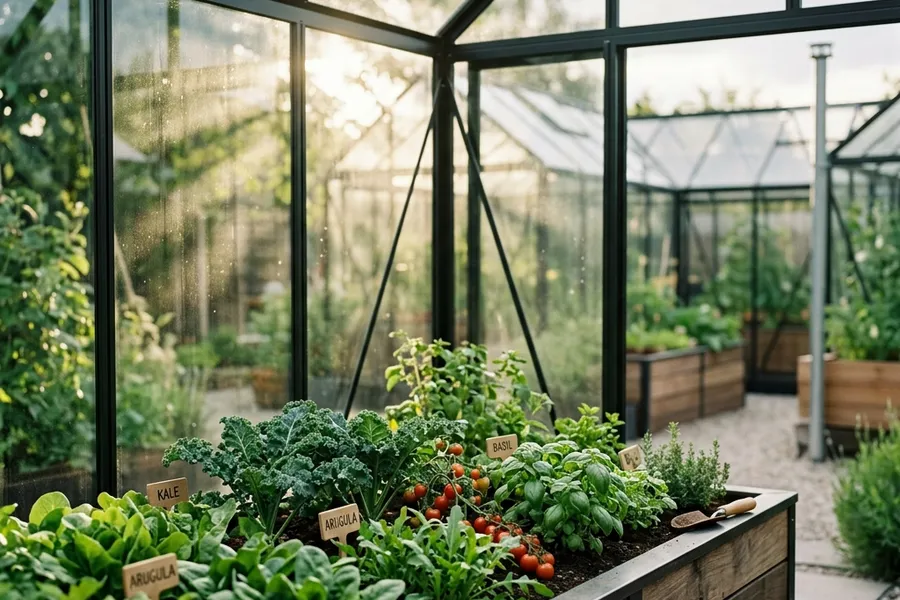
Elevated at ~140m in the Midlands, Birmingham sees crisp winter frosts and occasional late April cold snaps before warm summer spells.
Cloches or fleece let you transplant tender crops two weeks earlier on exposed West Midlands allotment plots.
Enrich sandy-loam Midlands borders with well-rotted manure or composted bark to hold moisture through dry spells.
Every calendar below uses Midlands regional sowing & harvest dates.
A hardy, peppery salad leaf often grown as a watercress substitute for gardeners without a boggy spot. Stands well through winter, providing fresh leaves when little else is cropping.
A native UK perennial, often considered a weed but deliberately grown or harvested for its nutrient-rich young shoots and for making a potent liquid plant feed.
A peppery salad leaf that grows fast enough to pick within a month of sowing. Best in cooler conditions, as heat makes the leaves increasingly hot and prone to bolting.
A native UK perennial traditionally grown in clean, flowing water, though it can also thrive in a large container kept permanently wet. Peppery, nutrient-dense leaves are ready within weeks.
A native UK woodland perennial with a mild garlic flavour, carpeting shady spots with white flowers each spring. Once established in the right conditions, it spreads readily with almost no attention needed.
In Birmingham (Midlands, UK hardiness 8b), average last spring frost arrives around 20 April. Hardy herbs can often be sown outdoors from March or April, while frost-tender crops should stay undercover until after 20 April.
Average first autumn frost in the Midlands region arrives around 5 November. Harvest tender crops before then, or protect late sowings with fleece and cloches.
Cloches or fleece let you transplant tender crops two weeks earlier on exposed West Midlands allotment plots. Enrich sandy-loam Midlands borders with well-rotted manure or composted bark to hold moisture through dry spells.