Climate Snapshot
Built across steep Pennine valleys, Sheffield gardens vary sharply by aspect—low valleys catch late frost pockets while south-facing slopes warm quickly.

Tailored sowing, planting, and harvest dates for Sheffield (North East, UK hardiness 8a). Built across steep Pennine valleys, Sheffield gardens vary sharply by aspect—low valleys catch late frost pockets while south-facing slopes warm quickly.
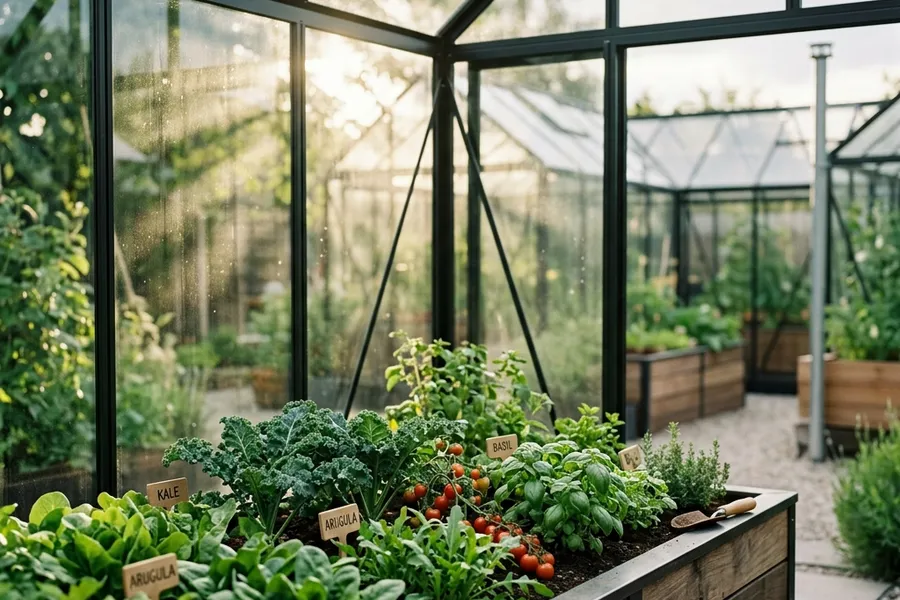
Built across steep Pennine valleys, Sheffield gardens vary sharply by aspect—low valleys catch late frost pockets while south-facing slopes warm quickly.
Use sunny stone walls or south-facing brickwork as heat sinks for heat-loving tomatoes and French beans.
Add organic matter generously to thin, stony hillside soils; self-watering pots excel on sloped terraces.
Every calendar below uses North East regional sowing & harvest dates.
A native UK perennial, often considered a weed but deliberately grown or harvested for its nutrient-rich young shoots and for making a potent liquid plant feed.
A native UK perennial traditionally grown in clean, flowing water, though it can also thrive in a large container kept permanently wet. Peppery, nutrient-dense leaves are ready within weeks.
A native UK woodland perennial with a mild garlic flavour, carpeting shady spots with white flowers each spring. Once established in the right conditions, it spreads readily with almost no attention needed.
In Sheffield (North East, UK hardiness 8a), average last spring frost arrives around 5 May. Hardy native plants can often be sown outdoors from March or April, while frost-tender crops should stay undercover until after 5 May.
Average first autumn frost in the North East region arrives around 25 October. Harvest tender crops before then, or protect late sowings with fleece and cloches.
Use sunny stone walls or south-facing brickwork as heat sinks for heat-loving tomatoes and French beans. Add organic matter generously to thin, stony hillside soils; self-watering pots excel on sloped terraces.