Climate Snapshot
Built across steep Pennine valleys, Sheffield gardens vary sharply by aspect—low valleys catch late frost pockets while south-facing slopes warm quickly.

Tailored sowing, planting, and harvest dates for Sheffield (North East, UK hardiness 8a). Built across steep Pennine valleys, Sheffield gardens vary sharply by aspect—low valleys catch late frost pockets while south-facing slopes warm quickly.
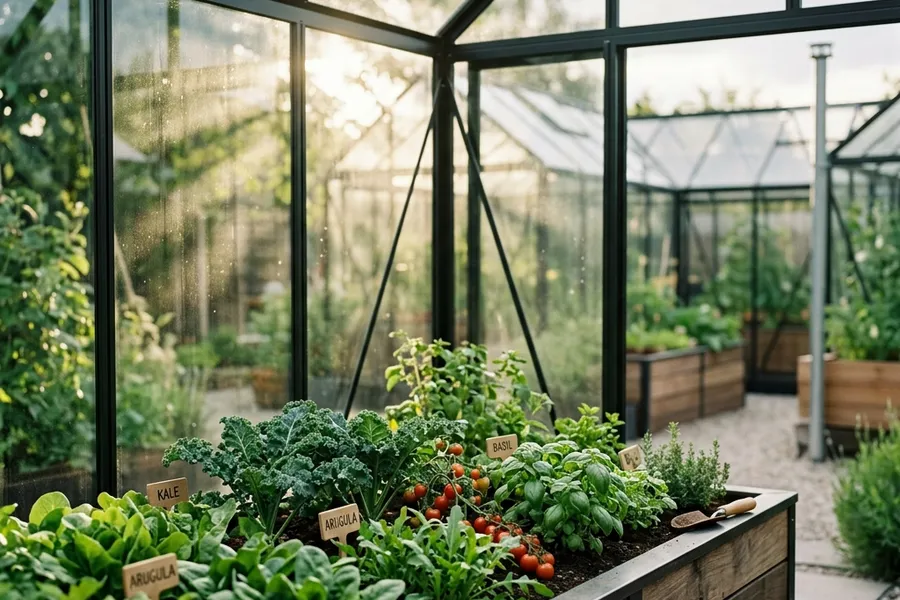
Built across steep Pennine valleys, Sheffield gardens vary sharply by aspect—low valleys catch late frost pockets while south-facing slopes warm quickly.
Use sunny stone walls or south-facing brickwork as heat sinks for heat-loving tomatoes and French beans.
Add organic matter generously to thin, stony hillside soils; self-watering pots excel on sloped terraces.
Every calendar below uses North East regional sowing & harvest dates.
A long-lived perennial crop that takes patience to establish, but rewards with tender spears every spring for 15-20 years once mature. Needs a dedicated, weed-free bed as it can't be moved once planted.
A dramatic, architectural perennial grown for its edible flower buds. Needs space and a sheltered spot, cropping best from its second year onwards.
A towering, sunflower-like perennial grown for its knobbly, nutty-flavoured tubers. Extremely easy to grow, almost to a fault, as it can spread and become invasive if not contained.
A native UK perennial, often considered a weed but deliberately grown or harvested for its nutrient-rich young shoots and for making a potent liquid plant feed.
A hardy, long-lived perennial grown for its tart, pink stems, ready to pick from spring. Extremely low maintenance once established, and reliably hardy through the harshest UK winters.
A native UK woodland perennial with a mild garlic flavour, carpeting shady spots with white flowers each spring. Once established in the right conditions, it spreads readily with almost no attention needed.
In Sheffield (North East, UK hardiness 8a), average last spring frost arrives around 5 May. Hardy perennial plants can often be sown outdoors from March or April, while frost-tender crops should stay undercover until after 5 May.
Average first autumn frost in the North East region arrives around 25 October. Harvest tender crops before then, or protect late sowings with fleece and cloches.
Use sunny stone walls or south-facing brickwork as heat sinks for heat-loving tomatoes and French beans. Add organic matter generously to thin, stony hillside soils; self-watering pots excel on sloped terraces.