Climate Snapshot
Sheltered in the North West basin yet cool and wet, Manchester averages around 140 rain days a year and expects last frosts near 1 May.

Tailored sowing, planting, and harvest dates for Manchester (North West, UK hardiness 8a-8b). Sheltered in the North West basin yet cool and wet, Manchester averages around 140 rain days a year and expects last frosts near 1 May.
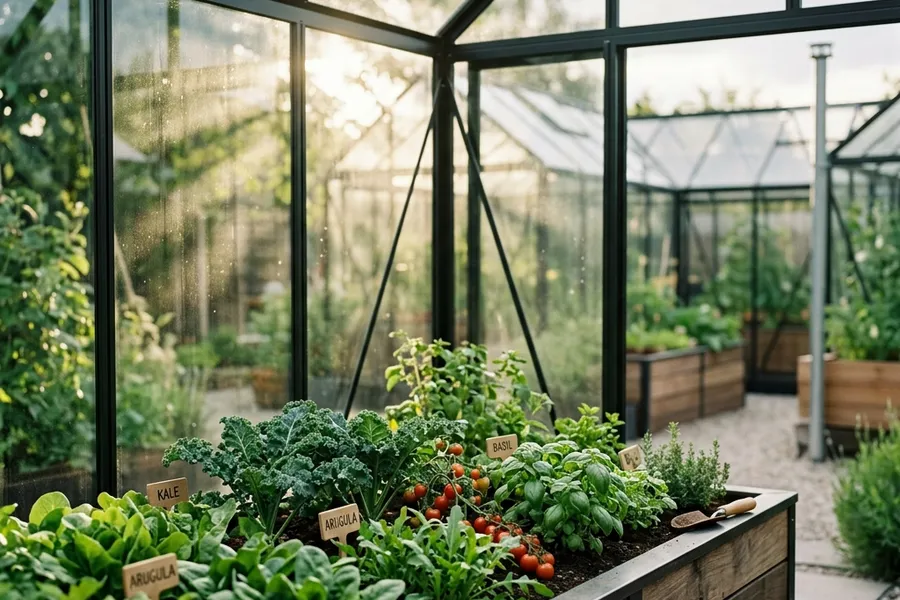
Sheltered in the North West basin yet cool and wet, Manchester averages around 140 rain days a year and expects last frosts near 1 May.
Start heat-loving crops indoors on a bright windowsill or under grow lights before moving them out in late May.
Raised beds and fabric grow bags warm faster in spring than heavy, rain-soaked northern soil.
Every calendar below uses North West regional sowing & harvest dates.
A tough, early-cropping legume that can be sown in autumn for a head start on the season. Hardy and reliable, needing little beyond support and the occasional pinch out to deter blackfly.
A long-season brassica grown for its firm little buttons along a tall stem. A classic winter and Christmas crop, with flavour that's said to improve after a touch of frost.
A versatile brassica with summer, autumn and winter varieties, giving a harvest across most of the year. Needs netting against caterpillars and pigeons.
A knobbly, celery-flavoured root vegetable that needs a long growing season and consistently moist soil to swell well, but stores beautifully once lifted.
An essential kitchen crop grown from individual cloves planted in autumn or early spring. Needs a cold spell to divide into plump, high-flavour bulbs for summer harvesting.
One of the toughest and most forgiving brassicas, standing strong through frost and snow. A little frost even improves the flavour, making it a reliable source of greens deep into winter.
A hardy, peppery salad leaf often grown as a watercress substitute for gardeners without a boggy spot. Stands well through winter, providing fresh leaves when little else is cropping.
A long-season, very hardy crop that can stay in the ground through winter and be lifted as needed. Puddling in transplants (rather than firming with soil) helps blanch the stem.
A sweet, earthy root crop that takes its time but rewards patience. Best left in the ground until after the first frosts, which convert starches to sugar and improve the flavour.
A fast, nutritious leafy crop best grown in cool conditions. Quick to bolt in summer heat, but hardy varieties sown in late summer provide fresh leaves right through winter.
A hardy, sweet-fleshed root known in Scotland as 'neeps', traditionally served with haggis. Needs a long, unhurried season but otherwise asks very little of the gardener.
In Manchester (North West, UK hardiness 8a-8b), average last spring frost arrives around 1 May. Hardy winter crop plants can often be sown outdoors from March or April, while frost-tender crops should stay undercover until after 1 May.
Average first autumn frost in the North West region arrives around 31 October. Harvest tender crops before then, or protect late sowings with fleece and cloches.
Start heat-loving crops indoors on a bright windowsill or under grow lights before moving them out in late May. Raised beds and fabric grow bags warm faster in spring than heavy, rain-soaked northern soil.